Your Sight Makeover: Tips For Picking A LASIK Specialist
Staff Writer-Brogaard Kinney
Choosing to undergo LASIK surgery is a significant decision that can transform your vision and enhance your standard of life. With progress in technology, this procedure has become increasingly popular among people looking to cut down their dependence on spectacles or contact lenses. Nonetheless, choosing the appropriate LASIK surgeon is vital to ensuring a successful result and a hassle-free process.
As you begin this journey, it's important to consider different factors that will lead you in locating an experienced LASIK surgeon who fulfills your particular needs. From comprehending various methods like bladeless LASIK to assessing a surgeon's qualifications and experience, making an informed choice will lay the foundation for a successful vision makeover. In this article, we will provide you with essential advice to navigate the process of selecting a skilled laser eye surgeon who can help you attain the crystal clear, vibrant sight you want.
Grasping Laser Eye Surgery Procedure
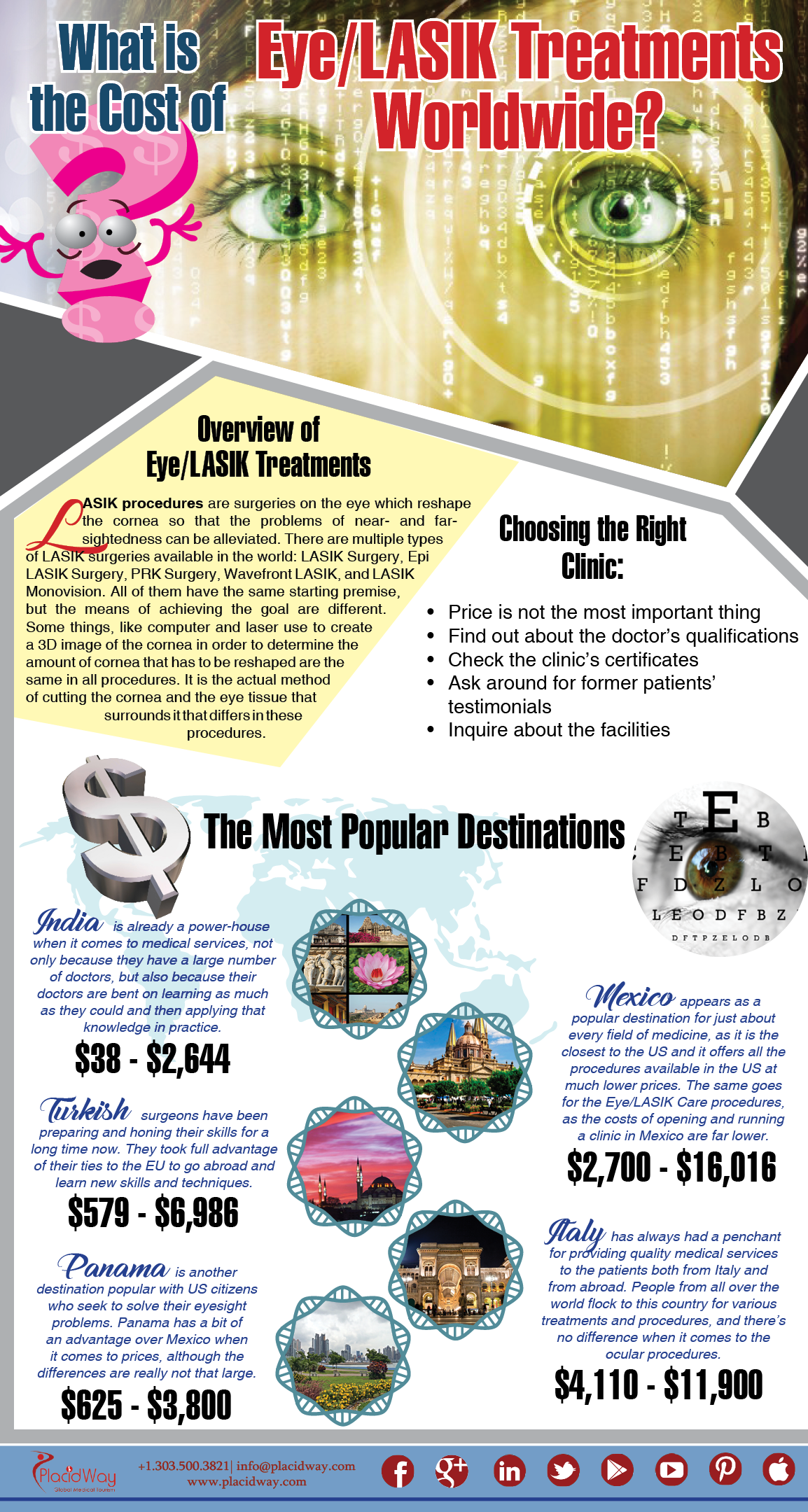
Laser-Assisted In Situ Keratomileusis procedure, or Laser-Assisted In Situ Keratomileusis, is a commonly-favored and efficient surgery designed to address common vision problems such as myopia, farsightedness, and irregular vision. The procedure employs cutting-edge laser technology to reshape the eye’s surface, allowing light to focus correctly on the light-sensitive layer. This outpatient surgery typically needs only a few minutes per eye, making it a fitting option for several patients seeking independence from spectacles or contacts.
One of the key factors in the effectiveness of laser eye surgery is the skills of the ophthalmologist. An skilled LASIK doctor will have a thorough understanding of the detailed anatomy of the eye and the fundamental concepts of laser refractive surgery. Elements such as the granularity of the cornea, the contour, and overall ocular health are paramount in determining the most suitable method for each individual, emphasizing the necessity of choosing a certified surgeon.
Tech progress have also led to the development of non-bladed LASIK, which utilizes a femtosecond device to create the cornea flap instead of a classic blade. This approach offers enhanced precision and minimizes the risk of issues. Individuals considering LASIK should discuss with their eye specialist the alternatives available, including the advantages of bladeless procedure, to make an educated decision that aligns with their eye correction needs.
Qualifications of an Skilled Surgeon
When evaluating a LASIK specialist, it's crucial to review their qualifications carefully. A competent surgeon should have a degree in medicine from a well-respected institution and advanced training in eye surgery. Search for licenses from respected organizations, such as the American Board of Ophthalmology, as they indicate that the doctor has met stringent standards of education and skill in the domain of ophthalmology.
Expertise plays a critical role in the effectiveness of LASIK surgery. An established LASIK specialist generally has carried out many operations and keeps current on the latest advancements in laser technology and techniques. This extent of experience not only improve the doctor's skill but additionally creates confidence in patients, as they know they are in good hands. Feel free to ask about their track record and the outcomes of prior procedures.
Additionally, consider the technological capabilities of the facility where the doctor works. Read Webpage -blade LASIK surgeon who utilizes the latest lasers could deliver superior accuracy and safety in contrast to traditional methods. It is also helpful to check for patient feedback and comments, as they can offer information into the surgeon's skill and dedication to caring for patients.
Advantages of Bladeless LASIK
Femtosecond LASIK, also known as femtosecond LASIK, offers several significant benefits over conventional LASIK procedures. One of the key advantages is the increased precision in creating the corneal flap. Using a laser instead of a blade reduces the likelihood of inconsistencies and complications, leading to superior visual outcomes. Patients can look forward to a smoother surface on the eye surface, which can improve the healing process and boost overall visual clarity.
Another notable advantage, Bladeless LASIK is the reduction in discomfort and the quickness of the procedure. Many patients indicate experiencing reduced pressure and discomfort compared to ordinary methods, making their treatment less stressful. Furthermore, since the flap formation is completed quickly with a laser, patients will spend less time in the operating chair, which minimizes anxiety and increasing satisfaction with the treatment.
In conclusion, Bladeless LASIK is linked to fewer complications related to flap creation. The use of lasers permits a more uniform and customizable flap that can accommodate specific corneal shapes and thicknesses. This leads to a lower incidence of issues such as flap dislocation or complications during the recovery phase, making it a safer option for patients thinking about vision correction.
Questions to Ask Your LASIK Surgeon
When considering LASIK surgery, it's essential to inquire your doctor about their experience and qualifications. Inquire about how many procedures they have conducted and their overall success rates. An experienced LASIK surgeon will be transparent about their history and should offer you with data that proves their expertise. Knowing their background in the industry can provide you confidence in their capability to address your particular case.
A further important factor to consider is the equipment used in the procedure. If https://mgyb.co/s/wTbDQ are interested in a bladeless approach, make sure to ask if your surgeon specializes in this technique and what advantages it may provide compared to conventional LASIK. A skilled laser eye surgeon should be able to explain the differences clearly and help you understand which option might be most suitable for your vision needs.
Finally, do not be afraid to ask about the post-operative care and recovery process. Knowing what to expect after the operation, including any potential complications and the timeline for recovery, is essential for your peace of mind. A qualified LASIK surgeon will provide comprehensive instructions on aftercare and follow-up visits to ensure your sight improves as expected.